






Creating a productive home office environment is essential for anyone working remotely or running a business from home. Unlike a traditional office, your space at home can present unique challenges, such as distractions, limited space, or less formal settings. However, with some thoughtful planning and adjustments, you can build a workspace that enhances focus, fosters organisation, and promotes well-being.
In this post, we’ll explore practical tips and strategies to help you set up a home office environment that supports productivity and comfort.
1. Choose the Right Location
The location of your home office sets the foundation for your work environment.
Find a Quiet, Low-Traffic Space
Look for a spot away from household noise and distractions. This might be a spare room, a quiet corner in the living room, or a converted attic or basement. If you don’t have a separate room, consider using room dividers or screens to create a distinct workspace.
Maximise Natural Light
Natural light can improve mood and alertness. Position your desk near a window if possible, but try to avoid screen glare by arranging your monitor perpendicular to the window. If natural light is limited, invest in good quality task lighting.
2. Invest in Comfortable and Functional Furniture
The right furniture is key to comfort and sustained focus.
Ergonomic Chair and Desk
Select an ergonomic chair with adjustable height and lumbar support to prevent back pain. Similarly, your desk should be at a comfortable height allowing your elbows to rest at roughly 90 degrees when typing. If space allows, a standing desk or adjustable sit-stand desk can offer flexibility.
Keep Organised with Storage Solutions
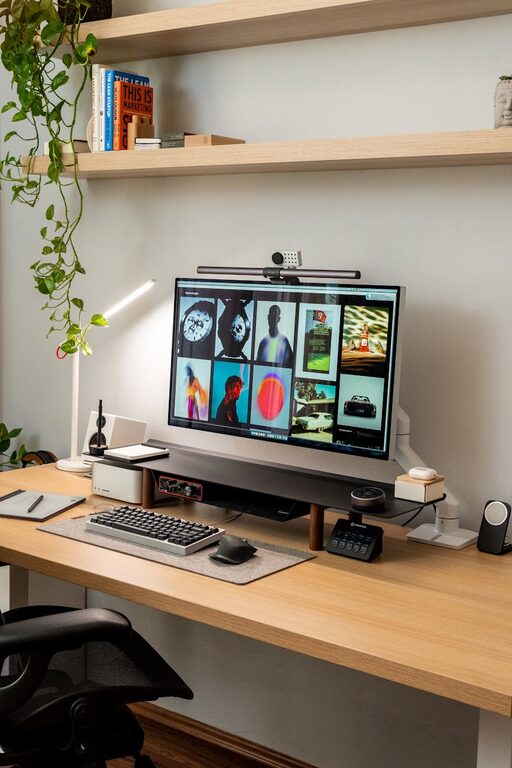
Clutter can negatively affect concentration. Use shelves, drawers, or filing cabinets to keep your documents, stationery, and equipment organised and off your desk.
3. Optimise Technology and Equipment
Efficient technology ensures smooth work with fewer frustrations.
Reliable Internet Connection
A stable, high-speed internet connection is vital for video calls, research, and uploads. Consider upgrading your broadband plan or using a wired connection for better stability.
Invest in Essential Tools
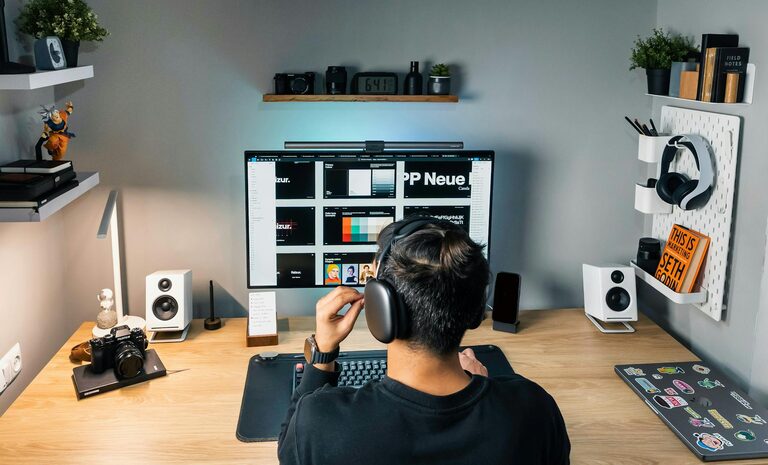
Depending on your work, this may include a second monitor, good-quality keyboard and mouse, headphones with noise-cancellation, and printer or scanner. Ensure all equipment is ergonomically placed to reduce strain.
4. Personalise Your Space to Boost Motivation
Your home office should feel welcoming and inspire you to work.
Add Plants and Artwork
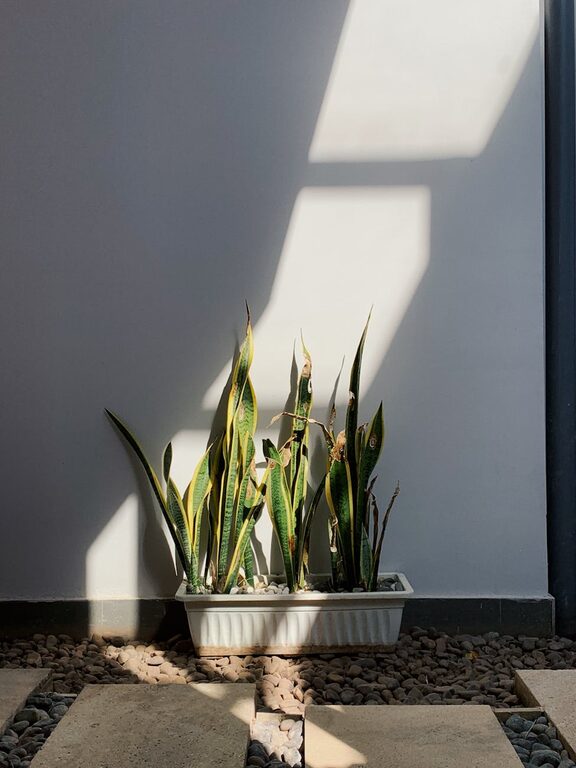
Plants bring colour and fresh air to your workspace, improving mood and concentration. Artwork or photos can add personality without causing distraction.
Choose Calming Colours
Soft, neutral colours like blues, greens, or greys tend to promote calm and focus. If painting your office is not an option, decorative items in these colours can help.
5. Establish Good Lighting
In addition to natural light, having the right artificial lighting is important.
Layer Your Lighting
Use a combination of general lighting (overhead), task lighting (desk lamps), and ambient lighting (floor lamps) to reduce eye strain and maintain alertness throughout the day.
Avoid Harsh Lighting
Avoid overly bright fluorescents or lights that cast shadows. Warm white bulbs with adjustable brightness work well.
6. Minimise Distractions
Creating a distraction-free environment supports deep work.
Set Boundaries with Family or Housemates
Communicate your work schedule clearly to reduce interruptions. Using a “do not disturb” sign can help signal when you need focused time.
Use Noise Control Strategies
If your space is noisy, try noise-cancelling headphones or white noise machines. Keeping your phone on silent except for important calls can also improve focus.
7. Maintain Organisation and Routine
Routine and organisation help maintain momentum.
Keep a To-Do List or Planner
Organise your tasks daily to manage priorities and avoid feeling overwhelmed. Digital apps or traditional notebooks both work well.
Schedule Breaks
Regular breaks help maintain energy and focus. Try techniques like the Pomodoro method – 25 minutes of focused work followed by a 5-minute break.
8. Embrace Healthy Habits
Your workspace should support not just work but well-being too.
Incorporate Movement
Avoid sitting for extended periods. Stand up, stretch, or take short walks around your home regularly.
Hydrate and Snack Wisely
Keep water accessible and choose healthy snacks to fuel your brain.
—
By applying these tips, you can transform your home office into a place that promotes productivity, comfort, and satisfaction. Experiment with what works best for you—making incremental changes over time often leads to the most lasting improvements. A well-designed home workspace not only helps you work more efficiently but also enhances your overall work-life balance.