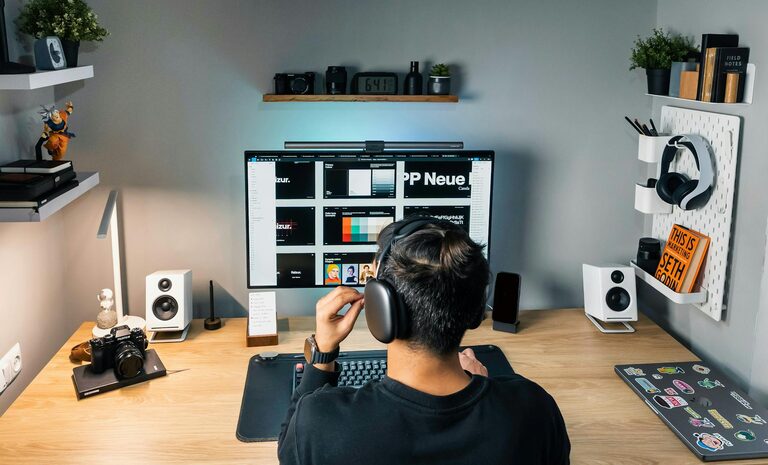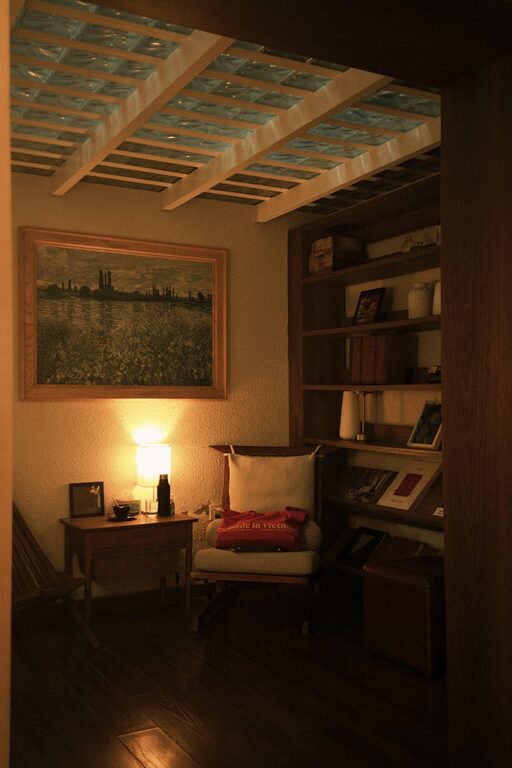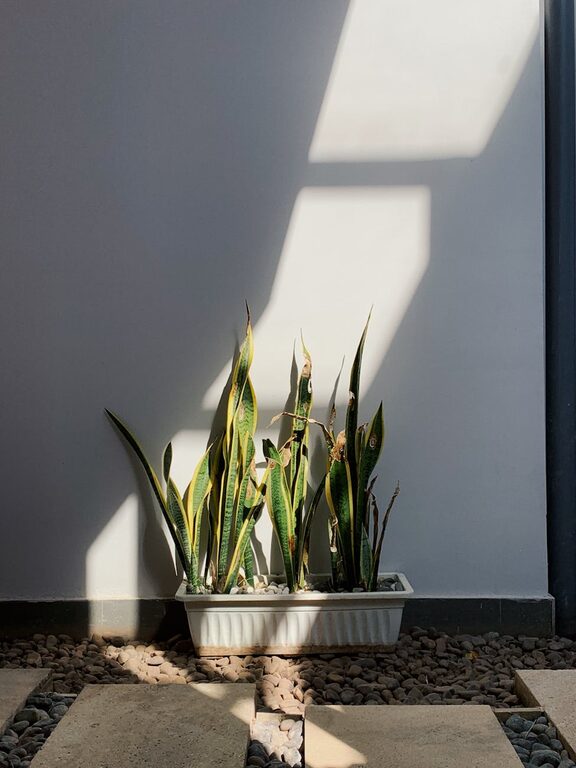







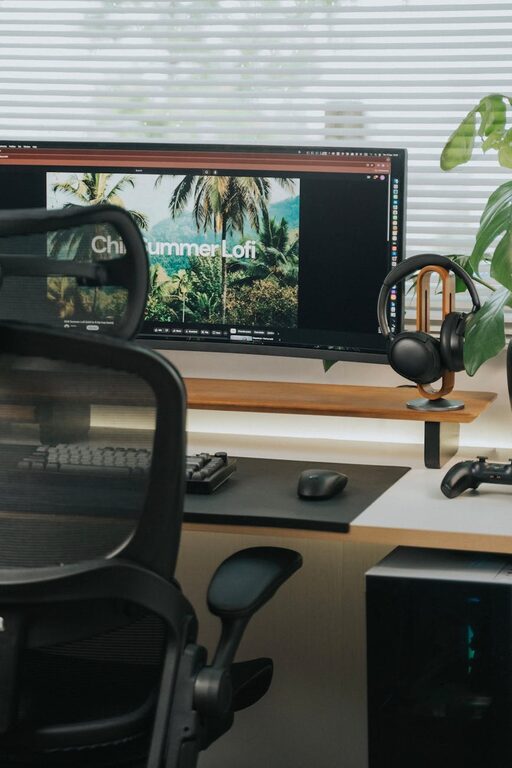
Working from home has become increasingly common, and having a productive home office environment can make a world of difference. Whether you’re self-employed, working remotely, or simply need a quiet space to focus, your home office setup can affect your efficiency and wellbeing. Here are practical tips to help you create a workspace that supports your productivity and keeps you motivated throughout the day.
Choose the Right Space
Select a Dedicated Area
Start by choosing a dedicated area in your home for work. This space should be separate from high-traffic or noisy parts of the house if possible. A quiet corner of a room, a spare bedroom, or even a small nook can serve as your home office. Having a designated area helps your brain associate that space with work, improving focus.
Consider Natural Light
Natural light plays an important role in mood and alertness. Position your desk near a window if you can, to benefit from daylight. If natural light is limited, invest in good quality lighting that mimics daylight to reduce eye strain and fatigue.
Invest in Ergonomic Furniture
Comfortable Chair
A good ergonomic chair is essential as it supports your posture and reduces the risk of back pain. Look for one with adjustable height, lumbar support, and comfortable cushioning. Sitting correctly keeps you comfortable during long work sessions.
Practical Desk
Choose a desk that fits your space and work needs. It should be at a comfortable height and large enough to hold your computer, documents, and any other essential tools. Sit-stand desks are an excellent option if you want to alternate between sitting and standing during the day.
Organise Your Workspace
Declutter Regularly
A cluttered desk can distract and stress you. Keep your workspace tidy by only having necessary items on your desk. Use storage solutions such as drawers, shelves, or organisers to keep papers and supplies neat and accessible.
Efficient Layout
Arrange your most-used items within easy reach to avoid unnecessary movement. Place your computer, phone, and stationery where you can use them comfortably. This setup saves time and keeps you focused on tasks.
Manage Technology Wisely
Reliable Equipment
Ensure your computer, printer, and other devices are reliable and functioning well. Technical issues can interrupt your workflow and cause frustration, so maintain your equipment regularly.
Connect to Fast Internet
A stable, high-speed internet connection is vital for remote work, video calls, and research. Consider upgrading your internet package or moving closer to your router to avoid interruptions online.
Personalise Your Environment
Add Greenery
Indoor plants not only improve air quality but also add a calming and refreshing vibe to your workspace. Small pots on your desk or nearby shelves can make a positive difference to your mood.
Use Colours and Decor
Choose colours and decor that inspire and motivate you. Soft blues and greens can help calm and focus the mind, while bright colours like yellow can stimulate creativity. Personal touches like artwork or photos can make your office feel welcoming.
Establish a Routine
Set Working Hours
Define clear start and finish times to your workday to maintain work-life balance. This helps create a structure and signal to yourself and others when you are working.
Take Regular Breaks
Breaks are important to prevent burnout and maintain productivity. Follow the 20-20-20 rule: every 20 minutes, look at something 20 feet away for 20 seconds to rest your eyes. Stand up, stretch, or take a short walk regularly.
Minimise Distractions
Noise Control
If possible, use noise-cancelling headphones or play soft background music to block out distracting sounds. Communicate your work hours to family or housemates to reduce interruptions.
Smartphone Management
Set your phone to “Do Not Disturb” during focused work times or place it out of reach. Limiting notifications helps maintain concentration.
Maintain Good Air Quality and Temperature
Ensure your room is well-ventilated by opening windows regularly. A comfortable temperature between 18–22°C is generally ideal for concentration and comfort. Adjust heating or cooling as necessary.
Keep Hydrated and Nourished
Keep a bottle of water at your desk to stay hydrated throughout the day. Also, plan for healthy snacks and meals to maintain energy levels and prevent sluggishness.
—
Creating a productive home office environment is all about designing a space that supports focus, comfort, and wellbeing. By considering location, furniture, organisation, technology, and your daily habits, you can craft a workspace that helps you work efficiently and feel good doing it. Take the time to personalise your office and maintain routines that promote balance and productivity. With the right setup, your home office can become a place where your best ideas and efforts come to life.