





Creating a home office that is both cosy and functional can greatly enhance your productivity and well-being. Whether you work remotely full time or simply need a dedicated spot for paying bills or hobbies, setting up a space that supports your needs makes all the difference. This guide offers practical tips on how to design a home office that feels inviting and helps you focus.
Choose the Right Location
Start by selecting the ideal spot in your home. Consider areas with natural light, such as near a window, as daylight helps reduce eye strain and boosts mood. If space is limited, a quiet corner or even a section of a room can work well.
Avoid busy or noisy parts of the house if possible, especially if you need concentration or take calls. The right location sets the foundation for a productive and pleasant workspace.
Prioritise Comfort with Your Furniture
Invest in an ergonomic chair that provides good back support. You’ll likely spend several hours seated each day, so comfort is key to preventing aches and promoting focus.
Choose a desk or table that fits your space and needs, whether it’s a large surface for multiple monitors or a compact writing desk. Consider adjustable desks if you prefer to alternate between sitting and standing.
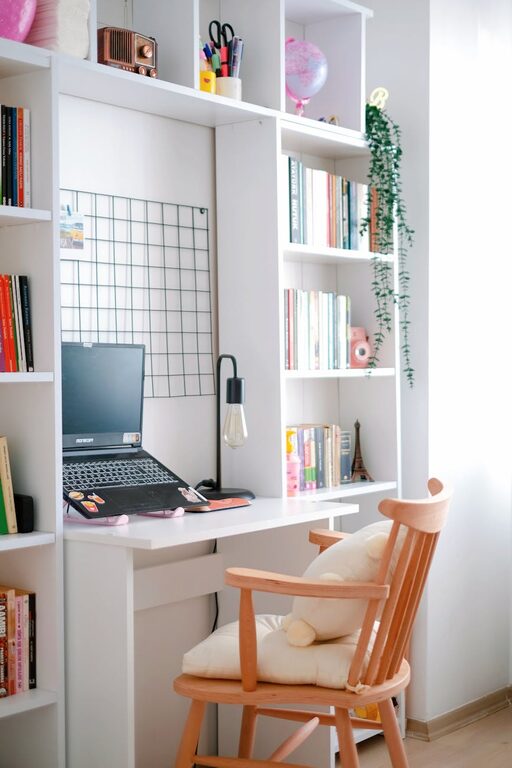
Adding soft furnishings like a cushion or a rug can enhance comfort and make the area feel homely.
Optimise Lighting for Both Function and Ambience
Good lighting is essential. Complement natural light with adjustable, bright task lighting for late evenings or gloomy days. A desk lamp with adjustable brightness is ideal.
To create a cosy feel, include softer ambient lighting like a floor lamp or fairy lights. This combination prevents a sterile atmosphere and supports a warmer work environment.
Organise Smartly to Reduce Clutter
A tidy workspace stimulates productivity. Use storage solutions such as shelves, filing cabinets, or desk organisers to keep supplies and paperwork in order.
Label storage boxes or folders to find items quickly and keep the desk clear. Try to limit what stays on your desk to essentials, making the most of vertical storage if your desk surface is small.
Add Personal Touches That Inspire You
Incorporate elements that make your space feel unique and positive. This could be artwork, plants, photos, or inspirational quotes.
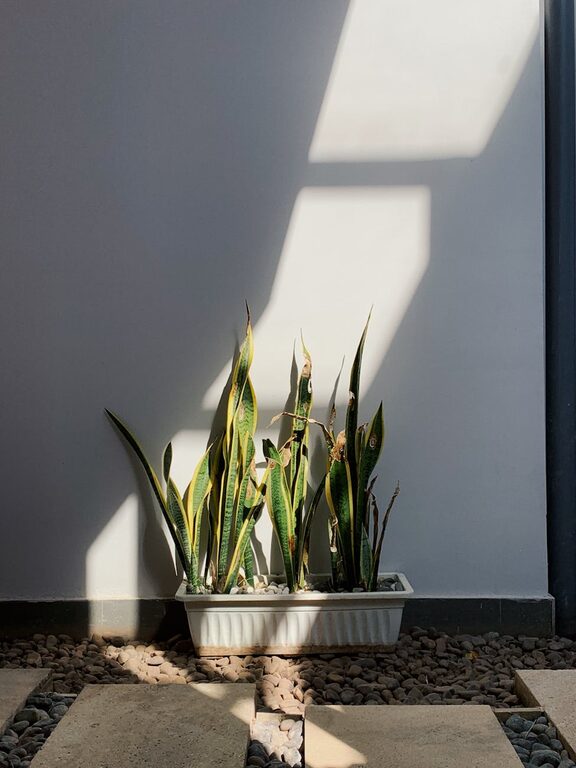
Houseplants are especially beneficial: they improve air quality and add natural colour, contributing to a calm, inviting environment.
Manage Technology Wisely
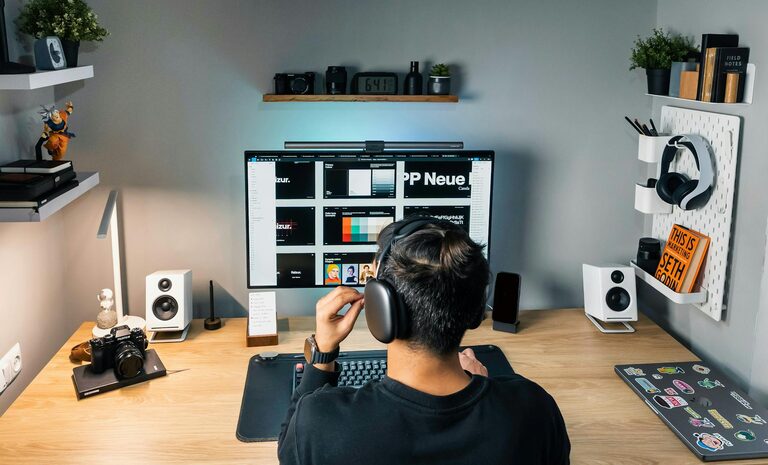
Set up your tech gear ergonomically. Position monitors at eye level to avoid neck strain and keep cables tidy with clips or cable organisers to prevent tangles.
Invest in quality headphones or a microphone if your work involves virtual calls, helping you communicate clearly and reduce distractions.
Consider Acoustics and Privacy
If noise is an issue, use rugs, curtains, or acoustic panels to soften sound. Even a simple door draft stopper can minimise distractions.
For privacy, a room divider or screen can separate your office from other living areas, signalling to others when you are working.
Maintain Balance Between Work and Relaxation
Make sure your home office encourages a healthy work-life balance. Avoid cramming the space with work materials so it doesn’t feel overwhelming.
Keep a small area or chair where you can take short breaks or read, helping you recharge without having to leave the room.
Keep It Flexible and Adaptable
Your needs may change over time, so design your home office with flexibility. Consider mobile furniture, adjustable shelving, or modular storage that can be rearranged as needed.
This approach ensures your office grows with your work style and preferences.
—
By combining comfort with practical organisation, you can create a home office that feels warm and welcoming while supporting your daily tasks efficiently. Take the time to tailor your space to your habits, and it will become a favourite spot where productivity and relaxation coexist.