



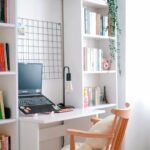


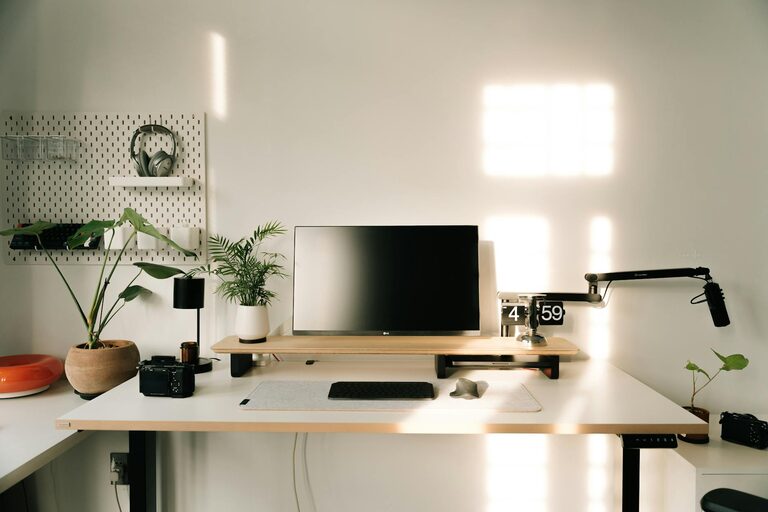
In today’s world, more people are working from home than ever before. Creating a home office that is both sustainable and organised can enhance your productivity, reduce stress, and minimise your environmental footprint. Whether you have a dedicated room or a small corner, these tips will help you design a workspace that feels inviting, efficient, and eco-friendly.
Why a Sustainable Home Office Matters
Sustainability in the home office goes beyond just reducing waste; it’s about making long-term choices that benefit both you and the planet. A sustainable setup saves energy, uses fewer resources, and supports your wellbeing. When combined with good organisation, it can transform your working experience, helping you stay focused and motivated.
—
Choosing Eco-Friendly Furniture and Equipment
Opt for Sustainable Materials
When selecting furniture, look for pieces made from natural, renewable, or recycled materials such as bamboo, reclaimed wood, or recycled metal. These not only last longer but also have a lower environmental impact compared to plastic or non-recyclable materials.
Buy Second-Hand or Upcycle
Consider buying second-hand desks, chairs, and storage units. Many beautiful, durable options are available in charity shops, online marketplaces, or local recycling centres. Upcycling old furniture by repainting or reupholstering can also breathe new life into items, reducing waste.
Select Energy-Efficient Electronics
Choose laptops, monitors, and printers with good energy ratings and energy-saving features. Power down devices when not in use and use smart plugs to avoid “phantom” power consumption.
—
Creating an Organised Workspace
Keep Your Desk Clutter-Free
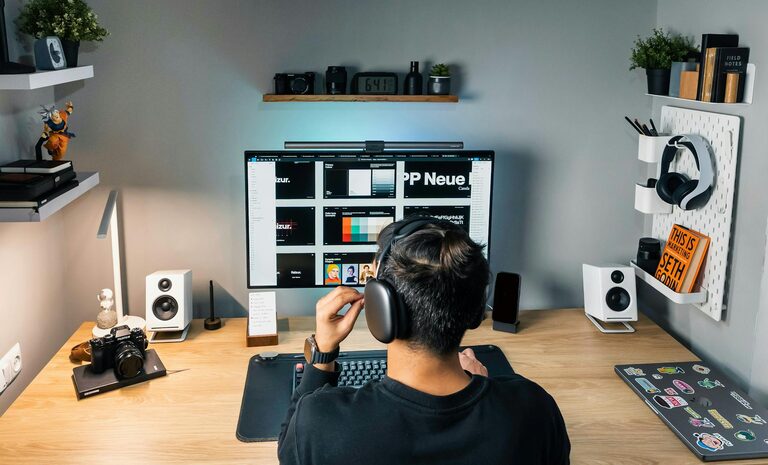
A tidy desk helps maintain focus and reduces distractions. Use organisers such as trays, pen holders, and cable clips to keep daily essentials in designated places. Make it a habit to clear your desk at the end of each day.
Use Storage Solutions
Invest in shelves, filing cabinets, or boxes to keep your paperwork, books, and supplies sorted. Label containers clearly to save time when searching for items and encourage consistent tidiness.
Implement a Paperless System
Reduce paper clutter by digitising documents where possible. Use cloud storage, note-taking apps, and digital calendars to manage files and tasks efficiently. When printing is necessary, opt for recycled paper and double-sided printing.
—
Lighting and Air Quality
Maximise Natural Light
Position your desk near a window to take advantage of daylight. Natural light improves mood and energy levels while reducing reliance on electric lighting.
Use Energy-Efficient Lighting
For cloudy days or evening work, choose LED bulbs, which consume less energy and last longer than traditional bulbs. Adjustable desk lamps help focus light where you need it most.
Ensure Good Ventilation
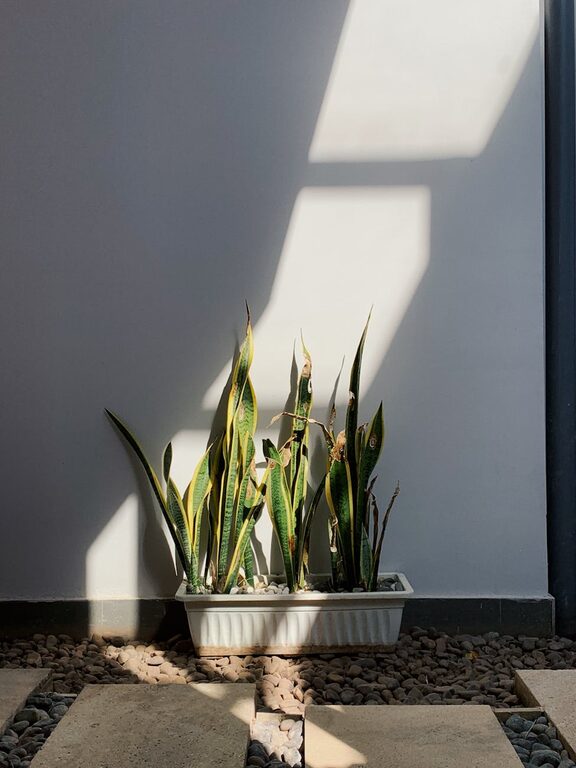
Fresh air circulation improves concentration and wellbeing. Open windows regularly or use air-purifying plants such as spider plants, snake plants, or peace lilies to enhance indoor air quality.
—
Personalising Your Space Sustainably
Choose Eco-Friendly Decorations
Add character to your office with items made from sustainable materials such as recycled glass, reclaimed wood, or organic textiles. Handmade or vintage items often have a smaller carbon footprint than mass-produced goods.
Add Greenery
Plants not only purify the air but also create a calm and inviting atmosphere. Use sustainably sourced pots and avoid plastic when possible.
Use Natural Cleaning Products
Maintain your workspace with eco-friendly cleaning sprays, reusable cloths, or homemade solutions like vinegar and water. Avoid harsh chemicals that can harm you and the environment.
—
Practical Tips for Long-Term Sustainability and Organisation
– Plan Your Setup Wisely: Before buying, measure your space and consider your workflow to avoid unnecessary purchases.
– Maintain Regular Decluttering: Set a weekly or monthly schedule to sort through documents and items, donating or recycling what you no longer need.
– Be Mindful of Energy Use: Turn off devices and lights when not in use, and unplug chargers to prevent wasted energy.
– Choose Reusable Supplies: Opt for refillable pens, rechargeable batteries, and reusable water bottles to reduce waste.
– Involve Others: Share your organisation and sustainability goals with family or housemates; they can support or even contribute ideas.
—
Conclusion
Creating a sustainable and organised home office is not only good for the environment but also beneficial for your productivity and peace of mind. By thoughtfully choosing your furniture, managing clutter, maximising natural light, and personalising with eco-friendly touches, you can enjoy a space that supports your work and values. Start small and build habits that will create a healthier, happier workspace for years to come.